Where Can I Find Reliable Real-Time Market Data for Day Trading
Get the best real-time market data sources for day trading in 2026. Compare free and paid tools for stocks, forex, crypto, and futures. Trade with accuracy.

Day trading is a speed game. One second of delay can turn a profitable setup into a losing one. Whether you're scalping, reacting to breaking news, or trading momentum, you need real-time market data that updates instantly and accurately. And not just price quotes. Day traders rely on Level 2 depth, order flow, volume spikes, economic releases, and sentiment changes to make precise decisions.
This guide breaks down the best free and paid sources for real-time market data in 2026, the exact tools pros use, and how to choose the right data provider based on your trading style.
Why Real-Time Market Data Is Non-Negotiable for Day Traders
Day traders rely greatly on real-time market data. Every trader lives on micro-moves, and a little delay of even 1–5 seconds can distort your strategy, especially if you're trading volatile assets like small-cap stocks, crypto, or forex.
Without real-time data, you cannot see breakout candles, monitor liquidity shifts, major news releases, high-volume surges, rapid reversals during volatility, as well as large bid/ask imbalances.
Real-time data is what allows traders to react with logically made decisions and not just play the guessing game.
Types of Market Data Every Day Trader Needs
Real-time market data is more than just price quotes. Here's the full stack active traders rely on:
Real-time Quotes
These include Instant price updates for stocks, crypto, forex, and futures, helping traders react quickly to market moves and set up strategies to make profits.
Level 2 (Depth of Market) Analysis
This shows bid and ask levels beyond the best price, giving scalpers and momentum traders insight into true market interest.
Order Flow Data
This data helps traders track large orders, market makers, liquidity zones, and aggressive buying or selling to reveal where big players are active.
News Feeds
This provides fast-moving headlines, economic events, analyst notes, and corporate filings that can instantly impact prices.
Volume & Liquidity Insights
This highlights where strong buying or selling pressure is building, helping traders spot genuine momentum and avoid false breakouts.
Traders heavily rely on market data before making trading decisions; without these tools, you're flying blind in a fast-moving environment. The key advantage here is its ability to minimize latency, ensuring traders act on current market conditions rather than outdated information.
This responsiveness offers a competitive edge, especially in fast-moving markets where seconds matter. With access to live technical signals, traders can fine-tune their entry and exit strategies, improving trade execution and overall performance.
Read More: Day Trading: The Basics and How to Calculate Profits Step by Step
Best Platforms to Get Reliable Real-Time Market Data
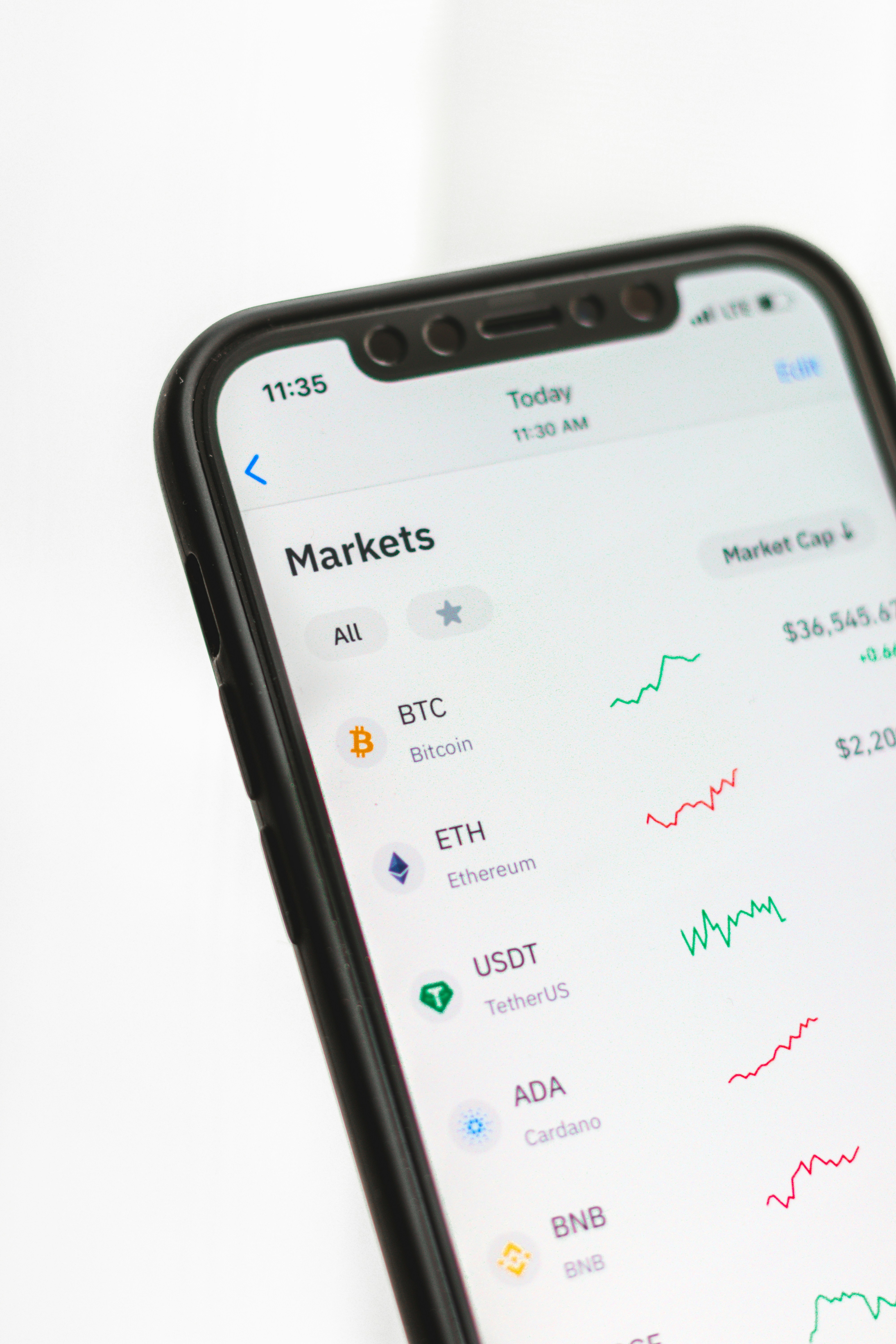
Real-time data platforms deliver instantaneous market updates, allowing day traders to react swiftly to emerging opportunities. By streaming live information on price movements, trading volume, and order flow, these platforms provide the critical inputs needed for effective technical analysis. Traders can leverage dynamic charts, indicators, and pattern recognition tools to make timely buy or sell decisions with greater precision.
Every platform that offers real-time data will require you to set up real-time data alerts so you can get notified in real time. To set up such alerts:
- Go to the alerts or notifications section.
- Choose the asset or condition you want to monitor.
- Select the trigger criteria, such as price level, volume, or technical indicator.
- Enable notifications via email or push notifications.
- You can go ahead to customize alert frequency to avoid false triggers.
- Save your settings, and the platform will notify you in real time.
Also note that some platforms might have a different way of sending real-time notifications. Now, here are reliable platforms to get real-time market data.
TradingView
The TradingView platform offers its users real-time feeds, indicators, and customizable layouts, making it a favorite for both beginners and pros. You can go for the Paid plans, which offer professional data for stocks, futures, and real-time forex data at competitive rates. You also have the opportunity to unlock professional-grade data for stocks, futures, and forex at competitive rates. Ideal for technical analysts and swing traders.
Thinkorswim (TD Ameritrade)
One of the most powerful free platforms available. Thinkorswim delivers real-time quotes, advanced scanners, volume profile, and free Level II data for most symbols, all at no cost. Its robust interface and powerful tools make it a favorite among active stock and options traders.
Interactive Brokers
Interactive Brokers offers ultra-fast execution and granular data subscriptions across stock exchanges, forex, futures, and market depth. Traders can customize their data feed based on region and asset class. Perfect for professionals who need precision and speed.
Benzinga Pro
If your edge comes from reacting to headlines, Benzinga Pro is unmatched. It offers breaking news alerts, squawk audio, insider activity, and sentiment analysis, making it ideal for catalyst and event-based traders.
CoinMarketCap / CoinGecko
For crypto enthusiasts, these platforms offer real-time price feeds, liquidity metrics, and exchange data all for free. They're widely trusted and ideal for monitoring altcoins and market sentiment.
If you're trading on a budget, these free platforms also get the job done:
- Yahoo Finance: Great for beginners, but data is delayed for most markets unless upgraded.
- Investing.com: Offers surprisingly fast live charts and price updates for stocks, crypto, indices, and forex.
- Webull: Truly real-time quotes, free Level 2 for new users, and solid charting.
- Moomoo: Fast data, free Level II, and strong premarket/after-hours insights for stock traders.
Free vs. Paid Data: What's the Real Difference?
Free data is suitable for swing traders, long-term investors, and basic charting. It often lacks Level II access, depth of market, and may be delayed. But paid data is essential for advanced traders who make more trading decisions that require market data.
It is important to rely on paid data for trading strategies such as scalping, momentum trading, options, futures, and news-based strategies. It offers faster updates, more accuracy, and deeper market insights.
If you're trading small-cap stocks, reacting to news, or executing high-frequency strategies, free data won't cut it. Speed and precision are worth the investment.
Learn More: 15 Proven Day Trading Strategies For A Profitable Trade
How to Spot Delayed Data
Many platforms advertise "real-time" data that's actually delayed. If you are not cautious enough and you rely on delayed data without verifying, you put yourself at the risk of making bad decisions based on false signals, missing trading opportunities, late trade entry and exits, as well as more losses than profits. Delayed data is a very big risk, especially in the fast-paced world of day trading. To be able to spot delayed data, here are the indicators to look out for:
- Look for disclaimers like "delayed by 15 min"
- Check if exchanges require paid subscriptions
- Confirm Level II and order book access
- If it's free and doesn't explicitly say "real-time," assume it's delayed
Conclusion
Choosing the right real-time data provider depends on what you trade and how you trade. The more active your strategy is, the more speed matters. For serious day traders, free data usually isn't enough; they have to actually pay for reliable data.
Your trading strategy should guide your data provider. Once you match your tools to your style, you'll trade faster, smarter, and with far more confidence.
Read More: 50+ Day Trading Terms Every Trader Should Know (Beginner-Friendly Guide)
Frequently Asked Questions
What is the most accurate real-time market data source for day trading?
▼
Interactive Brokers and TradingView Pro provide the most accurate and reliable real-time data for stock, forex, and futures traders. They offer professional-grade feeds with minimal latency.
Is free real-time market data good enough for day trading?
▼
Free data can work for casual traders, but it typically lacks Level 2 depth, order flow, and institutional-grade speed. Active day traders should invest in paid feeds for higher accuracy and better execution.
What is Level 2 data, and why is it important?
▼
Level 2 shows the full market depth, including multiple bid and ask levels. This helps traders see liquidity, identify market makers, and anticipate price movement before it happens.
Which platform gives the fastest breaking news for day trading?
▼
Benzinga Pro offers the fastest real-time news stream, audio squawk, and sentiment alerts, making it the top choice for news-based traders.
What's the best real-time market data source for forex traders?
▼
MetaTrader, cTrader, and TradingView Pro offer fast forex feeds with access to institutional liquidity providers. They're ideal for scalpers and high-frequency FX traders.
How do I know if my market data is delayed?
▼
Check for timestamps, look for "delayed by 15 minutes" warnings, verify exchange subscriptions, and compare the data to another platform. If it doesn't say "real-time," assume it's delayed.
Do crypto traders need paid real-time data?
▼
Most crypto data is already real-time and free from major exchanges. However, order flow tools like Bookmap or depth charts on Binance may require paid upgrades for advanced analytics.
Why do different platforms show different prices?
▼
Different platforms use different data providers and liquidity sources. Some use consolidated feeds, while others stream direct exchange data, leading to minor price variations.
Day Trading Market Data Real-Time Data Trading Platforms Level 2 Data Trading Tools
Frequently Asked Questions
What is the most accurate real-time market data source for day trading?
Interactive Brokers and TradingView Pro provide the most accurate and reliable real-time data for stock, forex, and futures traders. They offer professional-grade feeds with minimal latency.
Is free real-time market data good enough for day trading?
Free data can work for casual traders, but it typically lacks Level 2 depth, order flow, and institutional-grade speed. Active day traders should invest in paid feeds for higher accuracy and better execution.
What is Level 2 data, and why is it important?
Level 2 shows the full market depth, including multiple bid and ask levels. This helps traders see liquidity, identify market makers, and anticipate price movement before it happens.
Which platform gives the fastest breaking news for day trading?
Benzinga Pro offers the fastest real-time news stream, audio squawk, and sentiment alerts, making it the top choice for news-based traders.
What's the best real-time market data source for forex traders?
MetaTrader, cTrader, and TradingView Pro offer fast forex feeds with access to institutional liquidity providers. They're ideal for scalpers and high-frequency FX traders.
How do I know if my market data is delayed?
Check for timestamps, look for "delayed by 15 minutes" warnings, verify exchange subscriptions, and compare the data to another platform. If it doesn't say "real-time," assume it's delayed.
Do crypto traders need paid real-time data?
Most crypto data is already real-time and free from major exchanges. However, order flow tools like Bookmap or depth charts on Binance may require paid upgrades for advanced analytics.
Why do different platforms show different prices?
Different platforms use different data providers and liquidity sources. Some use consolidated feeds, while others stream direct exchange data, leading to minor price variations.